This guide explains the Porsche IMS bearing, including the basic design of the IMS bearing within the engine's intermediate shaft system, which has contributed to its notoriety. It also covers the common causes behind the Porsche IMS bearing issue, the risks of leaving it unaddressed, and why proactive replacement is often the best solution for protecting performance, value, and peace of mind.
What Is the Porsche IMS Bearing?
The Porsche IMS bearing, also known as the intermediate shaft bearing, is a component connected to the intermediate shaft in certain Porsche flat-six engines. The intermediate shaft helps drive internal engine timing components, and the IMS bearing supports that shaft as it rotates. Although the part itself is relatively small, it plays an important role in overall engine operation.
The original IMS bearing is a ball bearing, which uses a set of steel balls to reduce friction and support the intermediate shaft as it spins. The reason the Porsche IMS bearing issue receives so much attention is simple: when this bearing begins to wear or fail, it can create serious internal engine damage. In some cases, failure of the IMS bearing can lead to complete engine failure. That is why Porsche owners and specialists alike place so much emphasis on early inspection and timely replacement.
Some upgraded solutions replace the original ball bearing with a plain bearing design. These plain bearings are lubricated by engine oil pressure, which eliminates the need for regular replacement intervals and improves long-term reliability.
Which Porsche Years, Makes, and Models Are Commonly Affected by IMS Bearing Issues?
Not every Porsche engine is associated with the Porsche IMS bearing issue, but several water-cooled Porsche engines, particularly those with the M96 or early M97 engine, are commonly discussed in connection with IMS intermediate shaft bearing concerns. The most problematic years for IMS bearing issues are from 2000 to 2005, especially with the single-row bearing.
In general, the issue is most often associated with certain 1997–2008 Porsche Boxster models, Cayman, and 911 models. All water-cooled Porsche 911s and Boxster models from 1997 through 2008 are at risk of IMS bearing failure, excluding Turbo models, GT2, and GT3. Because these vehicles remain popular among enthusiasts and drivers who value performance and driving enjoyment, understanding whether a specific model year may be affected is an important part of responsible ownership.
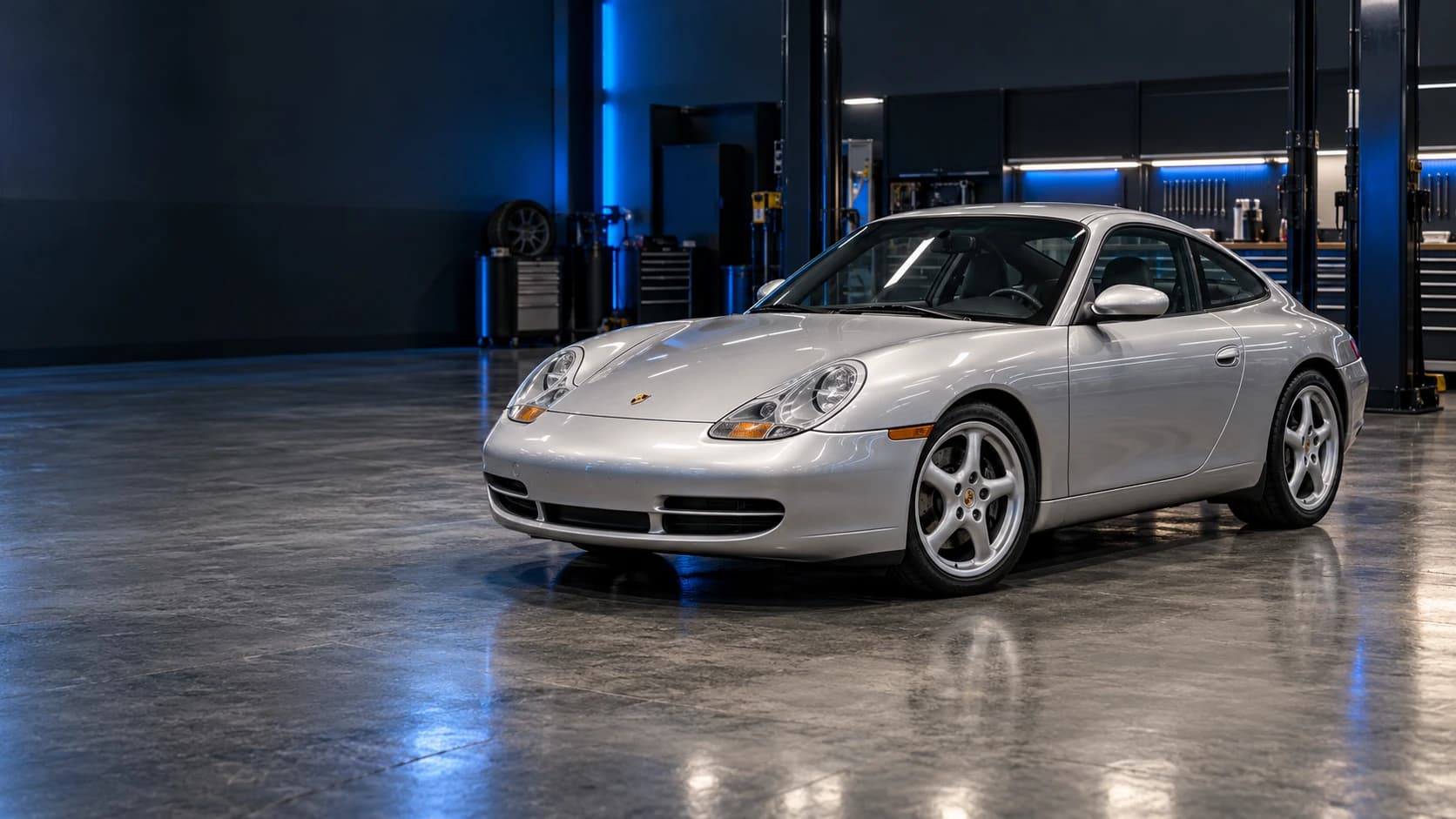
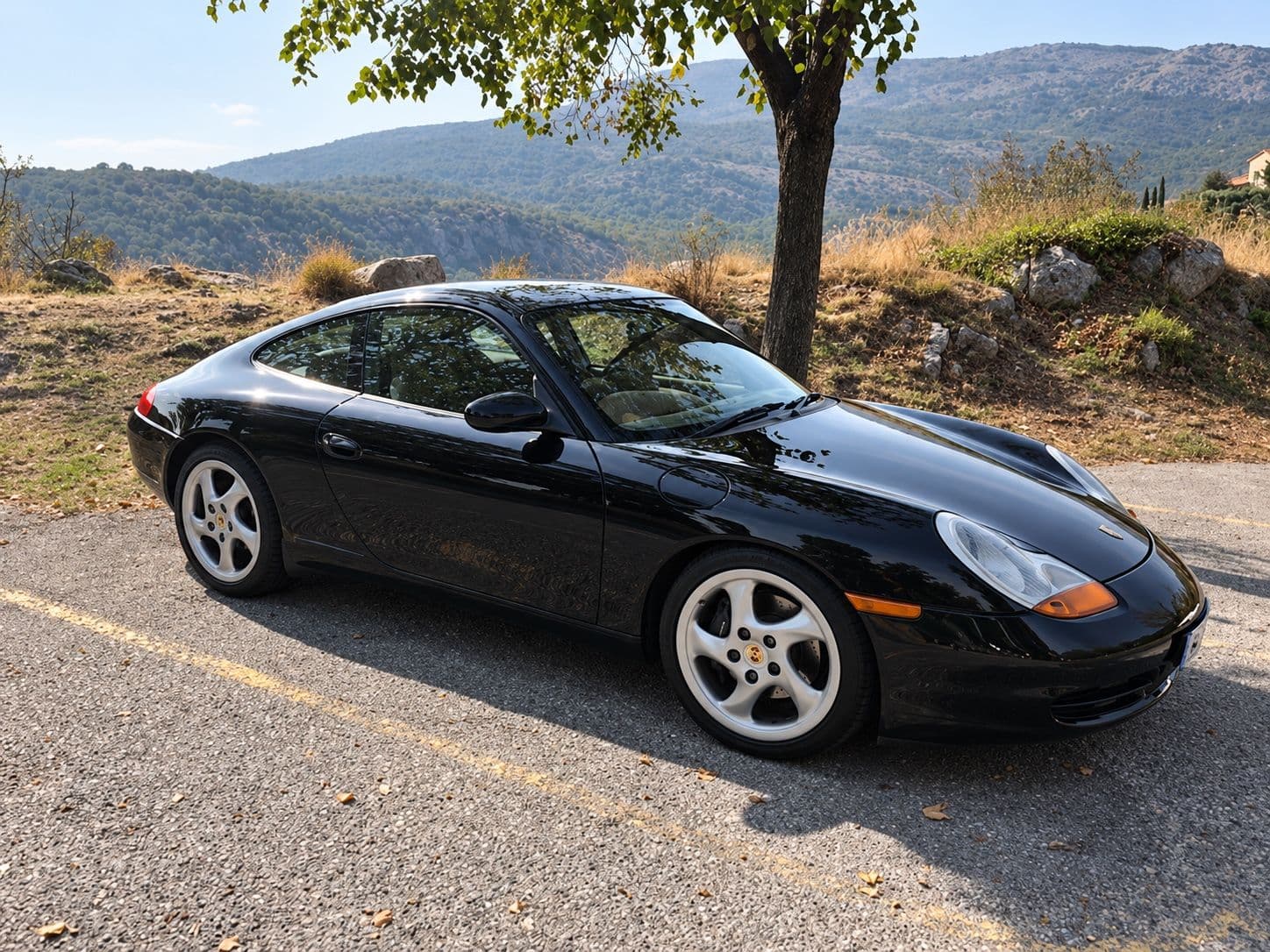
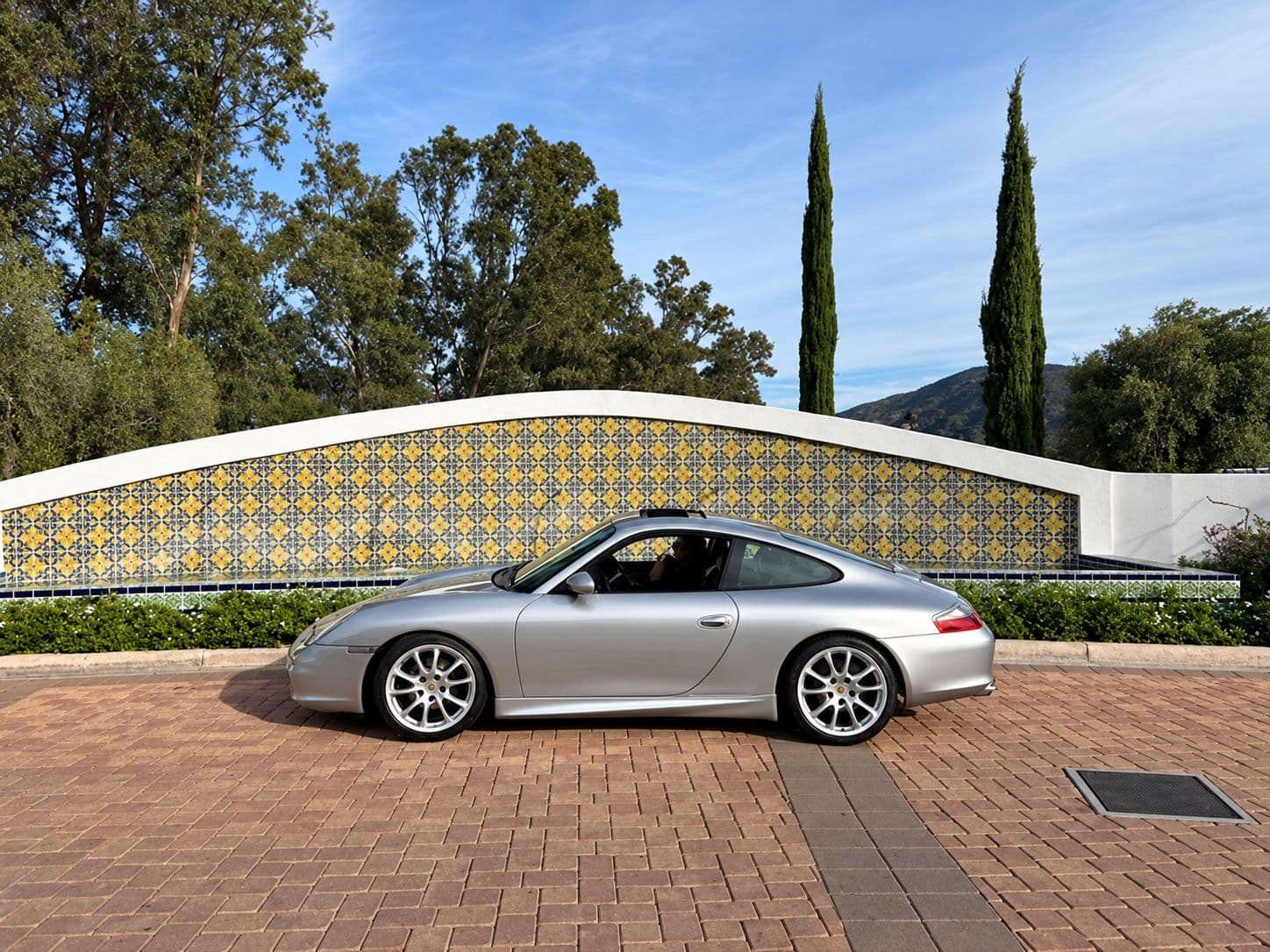
Among the most commonly referenced vehicles affected by the Porsche IMS bearing issue are the Porsche 911 (996/997.1), Boxster/Cayman (986/987.1) produced between 1997 and 2008. The IMS bearing problem years are especially important for buyers and owners to be aware of, as certain model years are more susceptible to failure. Owners of these models often research the condition of the IMS intermediate shaft bearing when evaluating reliability, planning preventative maintenance, or considering the purchase of a used Porsche. While not every individual vehicle will experience failure, the issue is well known enough that many owners choose to proactively address it before it can lead to more extensive engine damage.
Because engine variations, production updates, and previous repairs can all influence whether a particular vehicle is still at risk, it is always best to have the car professionally inspected by a Porsche specialist. For owners concerned about a potential Porsche IMS bearing issue, a knowledgeable shop can help determine whether the vehicle is among the commonly affected models and whether Porsche IMS bearing replacement is the right next step.
Why the Porsche IMS Bearing Issue Matters
The Porsche IMS bearing issue matters because it is a serious engine risk. A failing bearing can release debris into the engine oil, disrupt engine timing, and cause widespread damage to internal components. Bearing failure can lead to catastrophic engine damage, resulting in costly repairs or even a complete engine rebuild.
Expensive engine repairs are often the result of ignoring IMS bearing issues. Failure rates for the IMS bearing can reach as high as 10% after an average of 90,000 miles, and some IMS bearings have failed after just 3,000 miles, while others have lasted over 200,000 miles.
Because of the severity of the risk, the Porsche IMS bearing has become one of the most important preventative maintenance topics for owners of affected models. Rather than waiting for warning signs, many drivers choose to address the issue proactively to avoid catastrophic damage and preserve the reliability of their Porsche.
Common Causes of a Porsche IMS Bearing Issue
There is no single cause behind every Porsche IMS bearing issue, but several factors commonly contribute to bearing wear and failure over time. The original IMS bearing, also known as the OEM IMS bearing, is a sealed unit filled with grease. Over time, the grease seal can deteriorate, leading to lubrication failure and increased risk of IMS bearing problems.
Although the original IMS bearing was designed to be 'lifetime', it lacked sufficient lubrication and material strength, resulting in high failure rates and making certain model years especially prone to silent failure if not replaced promptly.
Bearing Design and Construction
One of the main reasons a Porsche IMS bearing can become problematic is the design of the original bearing itself. From 1997 to 2000, Porsche used a dual row bearing, which had a significantly lower failure rate compared to later designs.
Starting in 2000 and continuing through 2005, a single row IMS bearing was used, which is more prone to failure, with reported failure rates as high as 10% under warranty. The dual row bearing generally offered improved durability and was less prone to failure than the single row bearing.
In 2006, Porsche's first attempt to address the IMS bearing issue was to switch to a larger, non-serviceable intermediate shaft bearing, and models from 2009 onwards eliminated the IMS bearing entirely.
Over time, the bearing may lose effectiveness due to the demands of constant engine operation, heat cycles, and internal stress. While the engine may continue to run for a period of time, internal deterioration can develop long before symptoms become obvious.
Lubrication Challenges
Like any internal bearing, the Porsche IMS bearing depends on proper lubrication. Regular oil changes using high-quality oil are essential to maintain proper lubrication and reduce the risk of IMS bearing failure. If lubrication is inadequate or compromised, the bearing can experience accelerated wear.
Frequent oil changes, ideally every 5,000 miles, along with oil analysis can help catch wear metals early and indicate potential IMS bearing problems. Inspecting the oil filter for metal or plastic particles is a key early warning sign of IMS bearing failure, as these particles may indicate the bearing is deteriorating.
Using a magnetic sump plug can help detect metal fragments from the IMS bearing before catastrophic failure occurs. Additionally, maintaining proper oil temperature can extend the life of the IMS bearing. When the bearing does not receive the protection it needs, heat and friction increase, raising the likelihood of a Porsche IMS bearing issue.
Age and Mileage
Even when a Porsche is driven carefully and maintained consistently, age and mileage can still take a toll on the IMS bearing.
The failure rate of IMS bearings increases with age and mileage, with rates reaching up to 10% after 90,000 miles. Bearings naturally wear down as components cycle through years of operation, and while some IMS bearings have failed after as little as 3,000 miles, others have lasted over 200,000 miles.
This means that an older vehicle may be more vulnerable to a Porsche IMS bearing issue, even if no immediate drivability problems are present.
Infrequent Driving or Long Storage Periods
Porsches are engineered to be driven, and long periods of inactivity can sometimes contribute to internal wear concerns. When a vehicle sits for extended periods, lubrication conditions can change and seals can age, potentially increasing stress on the Porsche IMS bearing. In some cases, cars that are rarely driven may still face the same or greater risk as regularly used vehicles.
Contamination and Internal Debris
Once wear begins, metal particles and debris may circulate through the engine oil. This contamination can worsen the condition of the Porsche IMS bearing and other internal engine parts. What starts as minor wear can quickly develop into a more severe Porsche IMS bearing issue if it is not addressed in time.
The IMS Guardian system uses Magnetic Chip Detection technology to alert drivers to metal debris in the engine oil, providing early warning of potential IMS bearing failure.
Warning Signs of a Porsche IMS Bearing Issue
One of the most challenging aspects of a Porsche IMS bearing issue is that it may develop with few obvious symptoms. However, there are several warning signs that may indicate a problem.
Metal Debris in the Oil or Filter
During oil changes or inspections, the presence of metallic debris can be a warning sign of IMS bearing wear. While metal contamination can come from different sources, it is one reason Porsche specialists often pay close attention to oil condition when evaluating a possible Porsche IMS bearing issue.
Unusual Engine Noises
A worn Porsche IMS bearing may sometimes produce abnormal noises from the rear of the engine. IMS bearing failure can disrupt cam timing, which may lead to severe engine damage such as piston and valve impact. Rattling, grinding, or other unusual sounds should never be ignored, especially in a performance vehicle where early diagnosis can make a major difference.
Oil Leaks Near the Rear Main Area
In some cases, oil leaks around related engine areas may lead owners or technicians to inspect the IMS system more closely. While an oil leak does not always mean there is a Porsche IMS bearing issue, it can be part of a broader inspection that uncovers bearing wear.
Oil leaks in this area may also indicate problems with the rear main seal, and replacing the rear main seal during IMS bearing or clutch replacement can save on labor costs.
Sudden Engine Performance Problems
As the Porsche IMS bearing deteriorates, engine timing and operation can be affected. Misfires, rough running, or sudden performance changes may point to a deeper internal issue. At that stage, immediate professional inspection is essential.
Risks of Ignoring the Porsche IMS Bearing Issue
The biggest reason Porsche owners take the Porsche IMS bearing issue seriously is the level of damage that can result if it is ignored.
Catastrophic Engine Failure
The most significant risk of a failing Porsche IMS bearing is catastrophic engine failure. If the bearing collapses or breaks apart, it can disrupt timing and damage internal engine parts almost instantly. In severe cases, the engine may require a complete rebuild or replacement.
Escalating Repair Costs
Addressing a Porsche IMS bearing issue early is almost always more affordable than waiting for a full failure. Once internal damage spreads to chains, guides, pistons, valves, or other engine components, repair costs increase dramatically. Preventative action is often the best financial decision.
Reduced Reliability and Confidence
Even if failure has not yet occurred, driving with a suspected Porsche IMS bearing issue can take the enjoyment out of ownership. Porsche vehicles are built to deliver confidence and performance, and uncertainty about engine reliability can undermine both.
Lower Resale Value
Buyers are often aware of the Porsche IMS bearing and may ask whether it has already been replaced. A car with documented IMS bearing replacement can be more attractive to future buyers than one with an unresolved or unknown IMS history. Taking care of the issue now can help protect the long-term value of your vehicle.
Why Porsche IMS Bearing Replacement Is the Best Solution
When it comes to the Porsche IMS bearing issue, replacement is widely considered the best solution because it addresses the root of the concern rather than simply monitoring it and hoping for the best. Proactively replacing the IMS bearing is important to prevent IMS bearing failure and avoid catastrophic engine damage.
IMS bearing upgrades, such as ceramic hybrid bearings or the IMS Solution, are highly recommended to prevent failures and enhance reliability. Taking necessary precautions, like replacing the IMS bearing during clutch replacement or other major maintenance, can save on labor costs and further protect your engine. Early IMS bearings (pre-2005) are considered high-risk and should always be inspected during clutch services for long-term reliability.
A proactive Porsche IMS bearing replacement helps reduce the risk of unexpected failure, protects the engine from internal damage, and gives owners greater confidence behind the wheel. Rather than waiting for symptoms to appear, replacement allows you to take control of the situation before the issue becomes far more serious and far more expensive.
For many Porsche owners, replacement is also the best solution because it can often be performed as part of broader preventative maintenance planning. Taking action at the right time helps safeguard your vehicle and supports the long-term performance expected from a Porsche.
The Benefits of Professional Porsche IMS Bearing Replacement
Not all service experiences are the same, especially when dealing with a specialized repair like a Porsche IMS bearing replacement. This is a job that requires Porsche-specific knowledge, precision, and a thorough understanding of the platform.
A professional technician can properly inspect related components, identify any additional wear, and perform the service to exacting standards. Because the Porsche IMS bearing issue can have serious consequences if mishandled, choosing an experienced independent Porsche specialist is one of the most important decisions an owner can make.
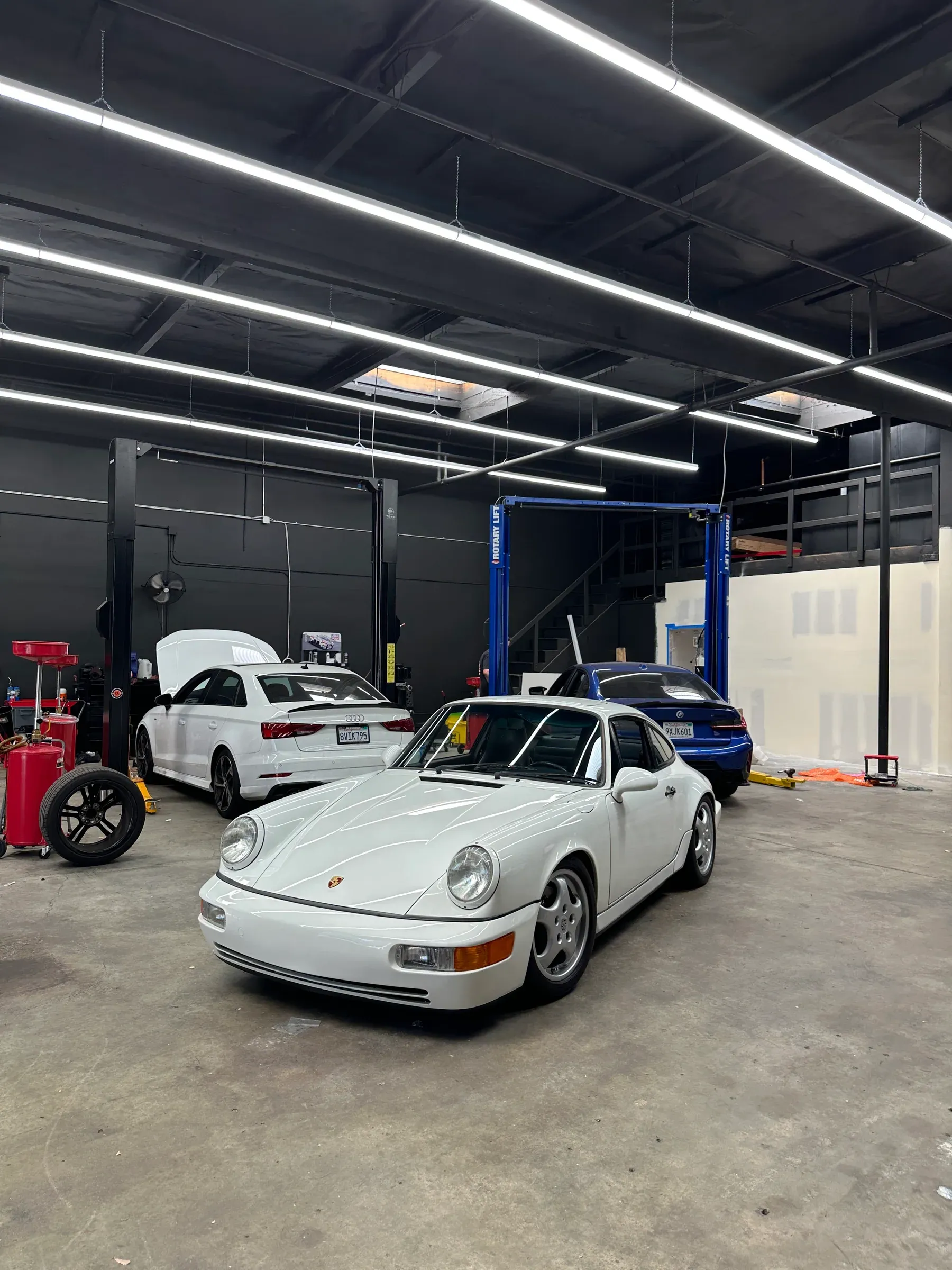
Why Porsche Owners Choose Speedhaus Automotive in Newbury Park
At Speedhaus Automotive, we understand how important your Porsche is to you. Based in Newbury Park, we are proud to be independent Porsche specialists providing professional Porsche repair and maintenance services for drivers in Ventura County who want dealership-level expertise with personalized service. Our team is experienced in diagnosing and addressing concerns related to the Porsche IMS bearing issue, and we are committed to helping owners protect the performance, reliability, and value of their vehicles.
If you are concerned about your Porsche IMS bearing, our shop offers professional Porsche IMS bearing replacement services designed to give you peace of mind. Whether you are being proactive or responding to signs of a developing issue, Speedhaus Automotive provides the knowledgeable care Porsche owners in the area can trust.
Protect Your Engine by Addressing the Porsche IMS Bearing Issue Early
The Porsche IMS bearing issue is one of the most important reliability concerns Porsche owners should understand. While the bearing itself is only one component, its condition can have a major impact on the health of the entire engine. Knowing the causes, recognizing the risks, and choosing replacement before failure occurs can save you from major repair costs and unnecessary stress.
If you are in Ventura County and are looking to replace your Porsche IMS bearing, contact Speedhaus Automotive today to schedule your service. Our team is here to provide expert guidance, professional care, and trusted Porsche IMS bearing replacement services to help keep your Porsche performing at its best.
FAQs